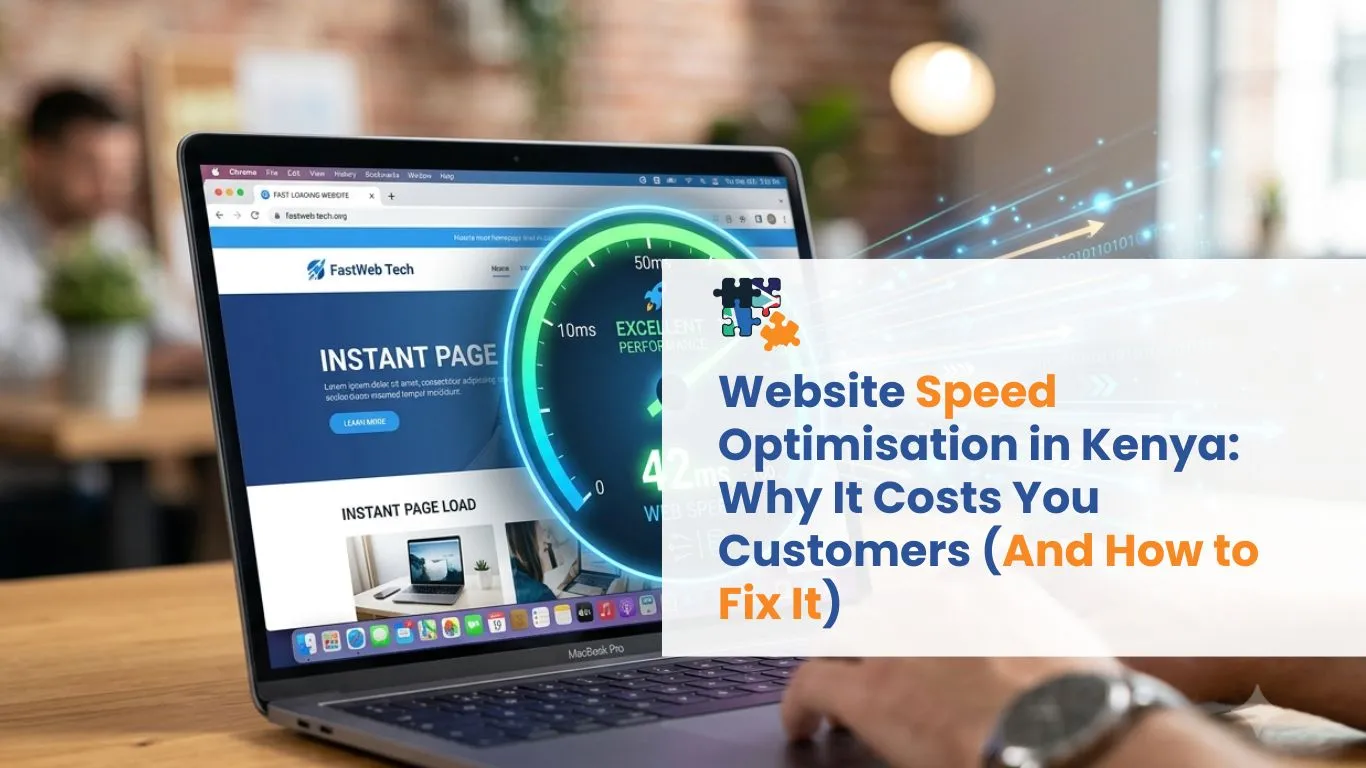
You have a website. You paid for it, you launched it but customers are not converting. Before you blame the design or the copy, check one thing first: how fast does it load? For businesses operating in Kenya, website speed optimisation is one of the highest-impact improvements you can make and it is still one of the most overlooked. This guide breaks down why slow websites cost Kenyan businesses money, what Google looks at when measuring speed, and the practical steps to fix it. Why Website Speed Matters More in Kenya Than You Think Kenya has one of the highest mobile internet penetration rates in Africa. Most of your visitors are on a smartphone possibly on a 4G or even 3G connection. When your website takes more than three seconds to load, a large portion of those visitors will leave before they see a single word of your content. The data is consistent across markets: a one-second delay in page load time can reduce conversions by up to 7%. For a Kenyan e-commerce store generating KES 500,000 a month, that is KES 35,000 in lost revenue from one second. The faster your site, the more of that traffic turns into leads, bookings, or sales. Google also uses speed as a ranking signal. A slow website does not just frustrate visitors it pushes you down in search results, meaning fewer people find you in the first place. What Google Measures: Core Web Vitals Explained Since 2021, Google has used a set of metrics called Core Web Vitals to evaluate page experience. These are the three you need to know: 1. Largest Contentful Paint (LCP) LCP measures how long it takes for the main content on a page typically a large image or heading to appear. Google wants this under 2.5 seconds. Most Kenyan business websites we audit come in above 4 seconds on mobile. 2. Interaction to Next Paint (INP) INP measures how quickly your site responds when someone taps a button or link. Anything above 200 milliseconds feels sluggish. Heavy JavaScript and unoptimised plugins are common culprits on WordPress sites built in Kenya. 3. Cumulative Layout Shift (CLS) CLS measures visual stability whether elements jump around while the page is loading. A high CLS score means users accidentally tap the wrong button because a banner loaded and pushed everything down. This is especially frustrating on mobile. You can check your website’s scores right now using Google PageSpeed Insights. Run it on your homepage and your most important landing page. Focus on the Mobile score — that is what most of your Kenyan visitors will experience. The Most Common Speed Problems on Kenyan Business Websites In our experience building and auditing websites across Nairobi and the wider Kenyan market, the same issues appear again and again: Unoptimised images. A single PNG uploaded directly from a camera can be 5–10 MB. Multiply that by ten images on a homepage and you have a page that will never load quickly on mobile data. Too many plugins. WordPress sites are often bloated with 20–30 active plugins, each loading its own scripts and styles. Most are unnecessary or have better alternatives built into a quality theme. No caching. Without a caching plugin, your server rebuilds every page from scratch on every visit. Caching stores a ready-made version so repeat visitors load instantly. Unminified CSS and JavaScript. Code files often contain spaces, comments, and formatting that are useful for developers but add unnecessary weight for browsers loading your site. No CDN. If your website is hosted on a server in Europe or the US, every Kenyan visitor’s request has to travel halfway around the world before anything loads. A Content Delivery Network brings your files closer to your audience. Cheap hosting. Shared hosting with overloaded servers is one of the most common causes of slow Time to First Byte (TTFB) — the time before your server even starts sending content. How to Improve Your Website’s Speed: Practical Steps You do not need to rebuild your website to fix most speed issues. Here is where to start: Compress and convert your images Convert all images to WebP format. WebP files are typically 25–35% smaller than JPEG or PNG at the same visual quality. If your website is on WordPress, a plugin like ShortPixel or Imagify will handle this automatically. Install a caching plugin WP Rocket is the most effective paid option. WP Super Cache is a solid free alternative. Either will dramatically reduce load times for returning visitors and is one of the fastest single improvements you can make. Use lazy loading Lazy loading means images below the fold only load when a user scrolls to them, rather than all at once when the page opens. WordPress 5.5 and above enables this by default, but verify it is active on your theme. Minify CSS and JavaScript Most caching plugins include a minification option. Enable it and test your site thoroughly occasionally minification can conflict with a plugin or theme, which is easy to identify and fix. Upgrade your hosting or add a CDN If your PageSpeed score shows a high Time to First Byte, the problem is at the server level. Moving to a VPS or managed WordPress hosting (Kinsta, WP Engine, or a local provider with SSD storage) will make an immediate difference. Cloudflare’s free tier also works as a CDN and significantly improves load times for users in East Africa. What a Fast Website Does for Your Business in Kenya Beyond SEO rankings, a fast website directly affects your bottom line: Higher conversion rates — more visitors complete enquiry forms, calls-to-action, or purchases Lower bounce rates — people who arrive on a fast page are more likely to explore other pages Better ad performance — Google Ads and Meta Ads both factor in landing page speed when determining ad quality scores, affecting your cost per click Stronger brand trust — a slow website signals an unprofessional operation to a first-time visitor When we rebuilt
Web Design Company in Nairobi: What Every Business Needs to Know Before They Build
If you are searching for a web design company in Nairobi, you already understand that a website is no longer optional it is the foundation of every serious business. However, the process of getting one built can feel overwhelming. There are too many providers, too many price quotes, and too little transparency about what you are actually buying. Furthermore, the quality gap between agencies is enormous. This guide answers the questions we hear most often, so that you can make a confident, informed decision before spending a single shilling. How much does a web design company in Nairobi charge? This is almost always the first question and it is a fair one. The honest answer is that it depends. Specifically, a simple informational website for a salon or consultancy is not the same as an e-commerce platform for a retailer with 200 products. Here is how to think about the cost ranges: A basic 3–5 page brochure site: KSh 25,000 – 60,000 A professional business site with custom design: KSh 60,000 – 150,000 An e-commerce store with M-Pesa integration: KSh 120,000 – 300,000+ A web application or custom platform: quoted on scope Prices vary because most quotes online exclude hosting, domain registration, SSL certificates, copywriting, and ongoing maintenance. Therefore, always ask for a fully itemised breakdown before you sign anything. At ChochaByte’s pricing page, everything is listed clearly so you know exactly what you are paying for before you commit. “The cheapest website is not the most affordable one. A poorly built site costs you in lost clients, slow load times, and expensive rebuilds within 18 months.”— ChochaByte Design Team What makes a good website design? Key qualities to look for Good website design is not about looking pretty though that certainly matters. Instead, it is about making it easy for a visitor to understand who you are, what you offer, and what to do next, all within five seconds. Moreover, the best-performing websites share a handful of consistent traits that separate them from average ones. 1. Clear hierarchy of information Visitors scan before they read. Consequently, good design uses size, spacing, and contrast to guide the eye headline first, supporting detail second, call-to-action always visible. A website that buries its contact button or forces visitors to scroll endlessly for a phone number is actively losing business every hour. 2. Consistent brand identity across every page Your website should feel like an extension of your business. Consistent fonts, colours, and tone of voice build the kind of trust that turns browsers into buyers. In addition, if your website looks cobbled together from three different templates, it signals a lack of professionalism even if your actual service is excellent. This is precisely why many businesses invest in product branding before or alongside their website build. 3. Fast load times on every device According to Google, 53% of mobile users abandon a site that takes longer than three seconds to load. As a result, performance is not a nice-to-have it is a core part of the design. Images need to be optimised, code needs to be clean, and hosting must match the expected traffic volume. 4. A single, obvious call-to-action per page Every page should guide the visitor toward one clear action a call, a quote request, or a purchase. When there are ten competing calls-to-action, people choose none. Therefore, the most effective sites commit to one primary action and repeat it at every natural pause in the scroll. Ready to build a site that actually converts? ChochaByte is the web design company in Nairobi that businesses trust for fast, mobile-first websites. Get a free quote in 24 hours. Request a Free Quote → Do I need a mobile-first website? Yes and here is why In Kenya, over 85% of internet traffic comes from mobile devices. Therefore, if your website was designed for a desktop screen and then squeezed into a phone, you are providing a broken experience to the majority of your audience. Moreover, Google now ranks websites using mobile-first indexing, which means your mobile experience directly determines your position in search results. Mobile-first design means the small screen is the primary canvas. Layout decisions, font sizes, button sizing, and navigation all start from the phone’s constraints. The desktop version then expands from there, rather than the reverse. Consequently, businesses that invest in properly mobile-optimised websites consistently outperform competitors who treat mobile as an afterthought. Quick test: do this right now Open your current website on your phone. First, can you read the text without zooming? Second, can you tap the menu without hitting the wrong link? Third, can you find the contact button within 10 seconds? If the answer to any of these is no, your site is actively costing you clients today. UI/UX design explained and why it matters for your website UI stands for User Interface — the visual elements people interact with, including buttons, forms, menus, and typography. UX stands for User Experience the overall journey a visitor takes through your site, specifically how easy it is to find what they need and how they feel at each step. The distinction matters because a site can look beautiful (good UI) but still be confusing to navigate (poor UX). Equally, a site can be easy to use but feel so visually flat that it fails to project credibility. You need both working together. For businesses selling services consultancies, agencies, professional practices UX is especially critical because the purchase decision happens almost entirely online. ChochaByte’s UI/UX design service maps the customer journey before touching a single pixel, ensuring that the visual work is built on a strategic foundation. How long does it take to build a website in Nairobi? A realistic timeline for a professionally designed and developed business website is four to eight weeks from brief to launch. Here is how that typically breaks down across the project phases: Discovery & strategy: 3–5 days Wireframes & sitemap approval: 4–7 days Visual design (UI): 7–14 days Development & content integration: 7–14
Google Ads vs Facebook Ads in Kenya: Which Is Better for Your Business in 2026?
Digital advertising has become one of the most effective ways for businesses in Kenya to attract customers and increase sales. However, many business owners struggle with one important question: Should I invest in Google Ads or Facebook Ads? Both platforms are powerful marketing tools, but they work differently. Choosing the right one depends on your business goals, target audience, and budget. In this guide, we’ll compare Google Ads vs Facebook Ads in Kenya, explain their strengths and weaknesses, and help you decide which platform is right for your business. Table of Contents What Are Google Ads? What Are Facebook Ads? Google Ads vs Facebook Ads in Kenya: Key Differences Cost Comparison When Should You Choose Google Ads? When Should You Choose Facebook Ads? Why Many Kenyan Businesses Use Both Final Verdict Frequently Asked Questions What Are Google Ads? Google Ads is Google’s online advertising platform that allows businesses to appear in search results, YouTube videos, Google Maps, and websites across the Google Display Network. For example, when someone searches: “Website design company in Nairobi” Businesses running Google Ads can appear at the top of Google’s search results. This is one of the biggest advantages of Google advertising in Kenya. Your ad is shown to people who are already searching for a solution. Because of this, Google Ads often generate highly qualified leads and conversions. To learn more about Google Ads, visit: https://ads.google.com/ What Are Facebook Ads? Facebook Ads are advertisements displayed across Facebook, Instagram, Messenger, and Meta’s Audience Network. Unlike Google Ads, Facebook users are not actively searching for products or services. Instead, Facebook uses user data to show ads to people who may be interested in your business. For example, a clothing brand in Nairobi can target: Women aged 18–35 Interested in fashion Living in Kenya Active online shoppers This makes Facebook marketing in Kenya ideal for building awareness and reaching potential customers before they start searching for a product. Learn more about Meta advertising: https://www.facebook.com/business/ads Google Ads vs Facebook Ads in Kenya: Key Differences The biggest difference comes down to user intent. Google Ads Capture Existing Demand When people use Google, they are actively searching for something. For example: Best web design company in Kenya Affordable logo design services SEO services in Nairobi These users already have a need and are looking for solutions. Facebook Ads Create Demand Facebook users are usually scrolling through content, chatting with friends, or watching videos. Your advertisement interrupts that experience and introduces your business. This means Facebook Ads are excellent for: Brand awareness Product discovery Audience growth Customer engagement Google Ads vs Facebook Ads: Comparison Table Feature Google Ads Facebook Ads User Intent Very High Medium Brand Awareness Good Excellent Lead Generation Excellent Good Audience Targeting Good Excellent Cost Per Click Usually Higher Usually Lower Conversion Rate High Moderate to High Best For Service-based businesses Product and lifestyle brands Search Visibility Excellent Limited Which Platform Costs Less in Kenya? One of the most common questions about online advertising in Kenya is cost. Generally, Facebook Ads tend to have lower cost-per-click rates than Google Ads. However, a lower click cost does not always mean better results. For example: A Facebook user may click your ad because it looks interesting. A Google user may click because they are ready to make a purchase. This means Google Ads often produce higher-quality leads despite the higher cost. Instead of focusing only on advertising costs, businesses should focus on: Lead quality Conversion rates Return on investment (ROI) When Should You Choose Google Ads? Google Ads are usually the better choice when customers actively search for your services online. Businesses that often perform well with Google Ads include: Website development companies Law firms Real estate agencies Insurance providers Medical clinics Accounting firms Repair services If your customers use Google to find businesses like yours, Google Ads should be part of your marketing strategy. Businesses that combine Google Ads with strong SEO often achieve even better results. You can learn more about our digital marketing services here: https://www.chochabyte.com/digital-marketing/ When Should You Choose Facebook Ads? Facebook Ads are often better for businesses that want to build awareness and attract new customers. Industries that frequently benefit include: Fashion brands Beauty businesses Restaurants Travel companies Event organizers Fitness brands Because Facebook and Instagram are highly visual platforms, they work particularly well for products that look attractive in photos and videos. Businesses looking to improve their branding and creative content can also benefit from professional design services: https://www.chochabyte.com/graphic-design/ Why Many Kenyan Businesses Use Both Platforms The best marketing strategy is not always choosing one platform over the other. Many successful businesses use both. Use Facebook Ads To: Build awareness Reach new audiences Grow followers Increase engagement Use Google Ads To: Capture buying intent Generate qualified leads Increase inquiries Drive sales When used together, the two platforms support each other throughout the customer journey. For example, someone may first discover your business through Facebook, then later search for your company on Google before making a purchase. The Importance of a Good Website Whether you’re using Google Ads or Facebook Ads, your website plays a major role in converting visitors into customers. Even the best advertising campaign can struggle if your website is slow, outdated, or difficult to use. A professionally designed website helps improve: User experience Conversion rates Customer trust Search engine rankings Learn more about our web development services: https://www.chochabyte.com/web-design-kenya/ You may also find these insights helpful: https://www.chochabyte.com/5-social-media-trends-kenyan-businesses-must-know-in-2026-chochabyte-limited/ Final Verdict: Google Ads vs Facebook Ads in Kenya When comparing Google Ads vs Facebook Ads in Kenya, there is no universal winner. Choose Google Ads if your goal is to generate leads from people actively searching for your services. Choose Facebook Ads if your goal is to build awareness, reach new audiences, and promote visually appealing products. For many Kenyan businesses, the best results come from combining both platforms into a single digital marketing strategy. By understanding your audience and business goals, you can invest your advertising budget where it will have the
How to Choose the Best Web Design Company in Nairobi (2026 Guide)
Are you searching for a reliable web design company in Nairobi? You are not alone. Thousands of Kenyan business owners make this decision every year — and many end up with a website that looks nice but never brings in a single customer. Choosing the right web design company in Nairobi is one of the most important digital decisions your business will make. This guide walks you through exactly what to look for, what to avoid, and what a properly built website can do for your business in 2026. Why Your Choice of Web Design Company in Nairobi Matters Your website works for your business 24 hours a day. For most Kenyan customers, it is the first thing they check before calling, visiting, or placing an order. According to Google’s Think with Google research, 53% of mobile users abandon a site that takes longer than 3 seconds to load. In Kenya, where over 80% of users browse on mobile phones, a slow or broken website means you are losing customers every single day — silently, with no way to track how many. A well-designed website built by the right web design company in Nairobi will: Build trust before a potential client ever speaks to you Generate leads while you sleep or attend meetings Rank on Google and bring in free organic traffic over time Reflect the professionalism and quality of your actual business A poorly built website does the opposite. If you are also investing in graphic design or product branding, a weak website undermines everything else you are building. What to Look for in a Web Design Company in Nairobi 1. They Build With SEO in Mind From Day One A beautiful website that nobody finds is a wasted investment. Before signing with any web design company in Nairobi, ask directly: “How do you approach SEO during the build?” The right answer involves keyword research, clean site structure, fast loading speeds, and proper metadata. Google’s Search Central documentation outlines these as the core foundations of any rankable site. If your agency cannot speak to these basics — keep looking. 2. They Have a Portfolio With Real Results Ask to see actual websites they have built for Kenyan businesses. Test their loading speed yourself using Google PageSpeed Insights. Ask: “Did this website generate business for the client?” You can also review Chochabyte’s creative portfolio to see the standard of work we deliver across web, branding, and design projects. 3. They Understand Your Industry and Audience Building a website for a SACCO is different from building one for a fashion brand in Westlands. The best web designers in Nairobi do not apply the same template to every client — they start with your customers, your goals, and your business model. This is closely tied to UI/UX design — the discipline of designing how users actually navigate and experience your site, not just how it looks. 4. They Offer Post-Launch Support Websites need ongoing attention — updates, security patches, speed optimisations, and content changes. A web design company in Nairobi that disappears after launch is not a partner; they are a vendor. Look for a team that offers maintenance or trains you to manage the site yourself. 5. They Have Transparent Pricing Quality web design in Kenya varies widely. Check our 2026 website pricing breakdown for a full guide on realistic costs by project type. Be cautious of anyone quoting KSh 5,000 for a “professional website” — you will spend more fixing it later than you saved upfront. Red Flags to Avoid When Hiring a Web Design Company in Nairobi Not every web design company in Nairobi will deliver what they promise. Watch out for these warning signs: No physical presence or verifiable contacts — if you cannot find them on LinkedIn or confirm they exist, that is a problem They only show template demos, not actual client sites — anyone can download a WordPress theme; building a real custom site is a different skill No mention of mobile optimisation or page speed — in 2026 this is non-negotiable; use Google’s Mobile-Friendly Test to verify any site they show you They cannot explain their design process — a professional agency will walk you through discovery, wireframes, design, development, and testing No contract or clear deliverables — always get scope, timeline, and payment terms in writing What a Professional Website Should Include in 2026 Whether you are a startup, SME, or established Nairobi brand, your website in 2026 needs: Technical foundations: Mobile-responsive design — not just mobile-friendly, but fully optimised Page load time under 3 seconds on mobile (test yours at PageSpeed Insights) SSL certificate (the padlock icon in the browser bar) Google Analytics and Google Search Console integration Content and structure: A clear homepage that immediately communicates what you do and who you serve Dedicated service pages optimised for local Nairobi and Kenya search terms A blog or resources section to earn organic Google traffic over time — see how we use ours at Chochabyte’s blog Testimonials and social proof from real clients Easy-to-find contact details, a working contact form, and WhatsApp integration Conversions: A strong call-to-action on every page Fast-loading quote request or contact forms Click-to-call buttons for mobile users How Much Does Web Design Cost in Nairobi? Pricing depends on complexity. For a detailed breakdown, read our full guide: Cost of Building a Professional Website in Kenya (2026). Here is a quick summary: Type of Website Typical Range (KSh) Basic business / brochure site 30,000 – 60,000 Business site with blog + SEO setup 60,000 – 100,000 E-commerce (up to 50 products) 80,000 – 150,000 Custom platform / web application 150,000 – 400,000+ Hosting, domain registration and annual maintenance are typically separate. Always confirm what is included in any quote you receive. You can also view our transparent pricing plans to understand how Chochabyte structures its packages. The Role of Design in a High-Performing Website A great website is not just code — it is visual communication. The
What Does Graphic Design Do?
If you’ve ever wondered what graphic design actually does, you’re not alone. Many businesses in Nairobi hear the term “graphic design” often, but aren’t always sure what it really means or why it matters. In simple terms, graphic design helps your brand communicate visually. It turns ideas into images that people can understand quickly — whether that’s a logo, a poster, a social media post, or a product package. Good design helps your brand look professional, build trust, and stand out from competitors. If you’re building a brand or business online, design plays a bigger role than many people expect. Why Graphic Design Matters for Businesses Think about the brands you remember easily. Most of them have strong visuals — logos, colors, packaging, or social media designs that people recognize instantly. Graphic design helps businesses: Show their brand identity Communicate ideas clearly Make marketing materials attractive Build trust with customers Stand out from competitors Without good design, even a great business can look unprofessional. If you’re building a brand, you can explore our Graphic Design Services to see how professional design helps businesses grow. 1. Graphic Design Creates Brand Identity One of the biggest roles of graphic design is creating brand identity. This includes the visual elements people use to recognize your business. A designer combines colors, fonts, and symbols to create a style that represents your brand. Brand identity usually includes: Logo design Brand colors Typography (fonts) Brand guidelines Visual style for marketing If you want a consistent brand look, visit our Branding & Visual Identity. 2. Graphic Design Helps Marketing Work Better Design plays a big role in marketing. Posters, ads, social media graphics and banners all rely on design to attract attention. For example, when someone scrolls through social media, they usually stop when something visually interesting appears. Graphic design helps create: Social media posts Online ads Event posters Flyers and brochures Website banners According to Google Search Central, visuals also improve user experience and engagement on websites. 3. Graphic Design Improves Communication Sometimes images communicate ideas faster than text. Graphic designers often turn complex ideas into simple visual content like: Infographics Diagrams Presentation slides Educational visuals This helps people understand information quickly. Good design removes confusion and makes messages clearer. 4. Graphic Design Makes Products Look Professional Product packaging is another important part of graphic design. If you walk into a supermarket in Nairobi, you’ll notice that some products stand out more than others. That’s because packaging design influences how customers feel about a product. Graphic designers create: Product labels Packaging designs Box designs Product mockups Packaging often determines whether someone picks your product or a competitor’s. 5. Graphic Design Helps Websites Look Better Websites also depend heavily on design. Graphic designers help create: Website layouts Icons and illustrations Blog graphics Landing page visuals Design affects how people interact with your website. You can read our guide on Website Cost in Kenya to understand how design affects website quality. For deeper reading on web design basics, you can check the Interaction Design Foundation. 6. Graphic Design Helps Businesses Look Trustworthy First impressions matter. When customers see clean, professional design, they assume the business behind it is also professional. Bad design can make a business look unreliable, even if the product or service is good. Good graphic design helps: Build credibility Improve brand trust Make marketing more effective Increase customer interest This is why many businesses invest in professional design instead of relying only on free templates. Common Things Graphic Designers Create Graphic designers work on many types of visual content, including: Logos Social media posts Posters and flyers Website graphics Packaging design Brand identity kits Marketing materials Each of these helps businesses communicate with their audience visually. How Graphic Design Helps Small Businesses in Kenya Small businesses in Kenya are becoming more digital. Social media, websites, and online stores all depend on strong visuals. Good design helps small businesses: Look professional online Attract customers faster Build a memorable brand Improve marketing results Even simple design improvements can make a big difference. When Should You Hire a Graphic Designer? You may need a designer when: Starting a new business Rebranding an existing company Launching a product Creating marketing campaigns Improving your website or social media visuals Professional designers bring creativity, structure, and consistency to your brand. Need Graphic Design for Your Brand? If you’re building a business and want clean, modern visuals, Chochabyte can help. We design logos, brand identities, marketing graphics, and website visuals that help businesses stand out. Visit our website or contact us to start your project.

How Much Do Graphic Designers Charge in Kenya? (2026 Pricing Guide)
Design prices in Kenya vary widely depending on experience, project type, and the level of detail required. Designers charge differently for logos, posters, social media content, brand kits, packaging, and retainers. Understanding these rates helps you budget better and get fair value. If you want design work that feels clean, modern, and brand-first, check out our Branding & Visual Identity services. Why Graphic Design Prices Differ in Kenya Design pricing is mostly shaped by: The designer’s experience Time required to produce the work Type of project Revisions required Whether source files are included Whether it’s a freelancer or studio Most Kenyan designers work with tools like Adobe (see Adobe Creative Cloud Pricing ) or Canva Pro (see Canva Pro Features ) and the cost of these tools also influences pricing. 1. Logo Design Costs in Kenya (2026) A logo sets the tone for the whole brand. Cheaper logos often use templates, while studio logos include custom concepts, moodboards, and brand strategy. Logo Pricing in Kenya: Entry-Level: KSh 2,000 – 7,000 Mid-Level: KSh 8,000 – 20,000 Creative Studio: KSh 25,000 – 80,000+ What affects the price: How many concepts you want Number of revisions Whether you want a brand guide If you need mockups or previews You can view our past work in the Portfolio (Recent Work). 2. Social Media Design Prices in Kenya Social media design pricing depends on style, detail, and consistency. Brands need regular posts, ad designs, story layouts, and templates. Cost Per Social Media Post: Simple: KSh 300 – 800 Business-level: KSh 800 – 2,500 Studio-grade: KSh 3,000 – 6,500 Monthly Packages: Basic: KSh 8,000 – 20,000 Mid-tier: KSh 20,000 – 45,000 Studio: KSh 50,000 – 120,000+ For long-term brand consistency, monthly retainers are more cost-effective. 3. Poster & Flyer Design Costs Posters are used for events, marketing, products, and promotions. The more layered and creative the design, the higher the cost. Poster Design Rates: Simple: KSh 500 – 1,500 Standard: KSh 1,500 – 4,000 Studio: KSh 5,000 – 15,000+ If the design requires custom illustration, extra effects or advanced layout, the price goes up. 4. Brand Kit & Visual Identity Pricing A brand kit is more than a logo — it defines how your brand looks across all platforms. This includes your colors, fonts, layout style, and sample designs. Cost of Brand Kits in Kenya: Starter Kit: KSh 12,000 – 25,000 Full Brand Identity: KSh 30,000 – 70,000 Studio Identity System: KSh 80,000 – 200,000+ A full identity normally includes a brand guide, mockups, templates, and logo variations. See our Branding & Visual Identity page for details. 5. Packaging Design Costs in Kenya Packaging design is detailed because it includes layout, measurements, 3D previews/mockups and print-ready files. Pricing: Simple label: KSh 1,500 – 4,000 Premium label: KSh 5,000 – 12,000 Full packaging (box/bottle): KSh 15,000 – 40,000+ Entire packaging system: KSh 50,000 – 150,000+ For product brands, mockups are created using tools that follow Google Search Central – Image Best Practices . 6. Hourly & Daily Designer Rates in Kenya Some designers prefer hourly billing for ongoing jobs or corporate tasks. Hourly Rates: Beginner: KSh 300 – 600/hr Mid-level: KSh 800 – 1,500/hr Studio/Expert: KSh 2,000 – 5,000/hr Daily Rates (8 hours): Mid-level: KSh 5,000 – 12,000/day Studio: KSh 15,000 – 40,000+/day 7. What Affects Graphic Design Pricing the Most Experience and portfolio Detail required in the design Delivery time (urgent projects cost more) Number of revisions Whether mockups are included File formats requested (PDF/AI/PSD) Brand strategy or research time Good design saves money long-term because it improves brand trust and marketing performance. Summary: 2026 Graphic Design Prices in Kenya Service Price Range (KSh) Logo Design 2,000 – 80,000+ Social Media Designs 300 – 6,500+ Monthly Retainers 8,000 – 120,000+ Poster Design 500 – 15,000 Brand Kits 12,000 – 200,000+ Packaging Design 1,500 – 150,000 Hourly Rate 300 – 5,000/hr How Much Should You Budget? Most Kenyan businesses spend: KSh 3,000 – 15,000 for small design tasks KSh 20,000 – 80,000+ for branding KSh 50,000 – 200,000+ for identity systems If you want designs that feel clean, modern and professional, explore our Graphic Design Services – ChochaByte , or reach out through Contact ChochaByte.
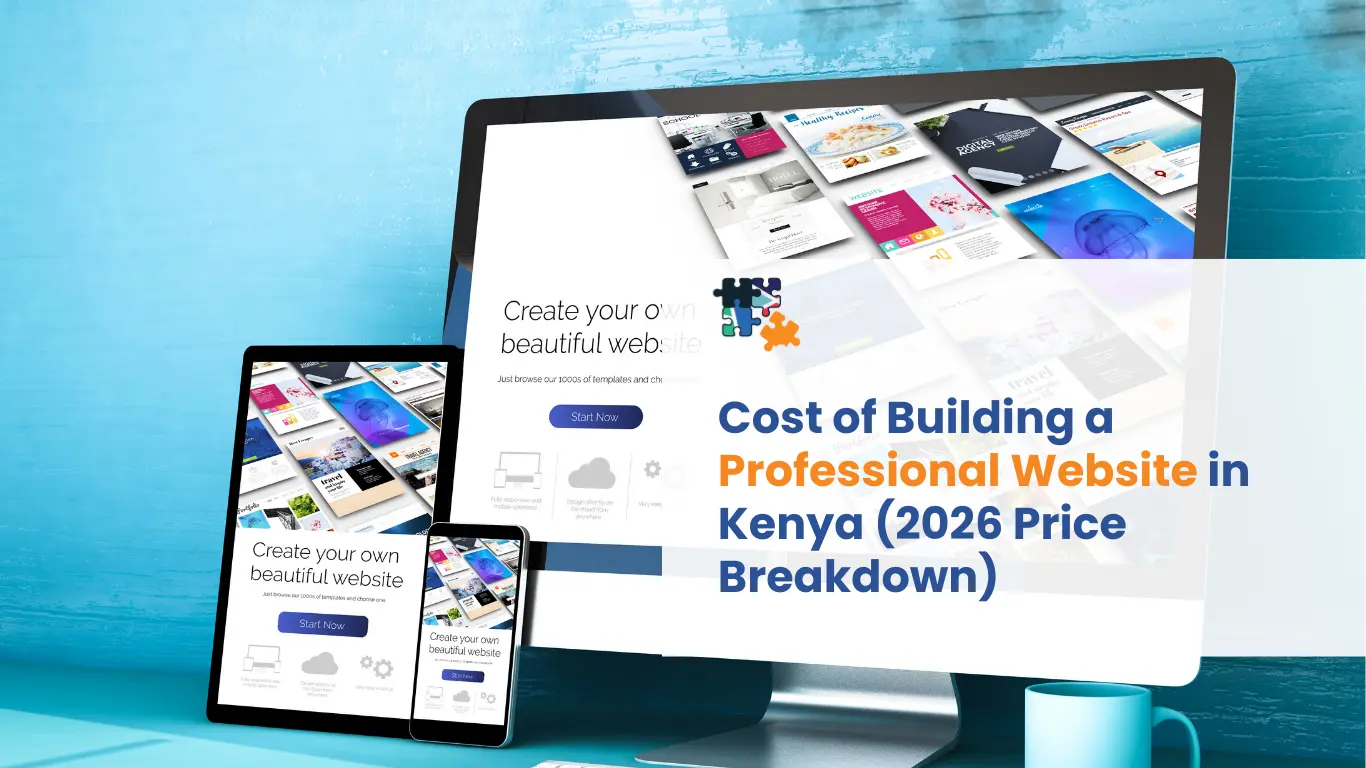
Cost of Building a Professional Website in Kenya (2026 Price Breakdown)
As more Kenyan businesses embrace digital platforms, a professional website has become one of the most important investments for visibility, credibility, and sales. But how much does a website really cost in 2026? The short answer: it depends on the type of website you want. The long answer is below—broken down in detail to help you make the best decision for your business. If you prefer a done-for-you approach, you can explore our Web Design Services Nairobi. Why Website Costs Vary in Kenya Different websites require different levels of design, customization, and features. A simple business website is much cheaper to build than a full ecommerce store with payment integration. Some of the major factors influencing cost include: Number of pages Level of custom design Hosting requirements Security and SSL needs Ecommerce or special features Ongoing maintenance For reference, industry standards from Google Search Central emphasize fast-loading, mobile-responsive, secure websites all factors that influence cost. 1. Basic Business Website Cost (Kenya 2026) A basic website is ideal for SMEs, startups, and service providers who need an online presence without complex functionality. These websites focus on clarity and clean design, presenting the business professionally across a few key pages like Home, About, Services, and Contact. Businesses also benefit from including a blog section for SEO growth, which can be added easily. Estimated cost: KSh 30,000 – 50,000Best for: SMEs, freelancers, small shops, consultants. You can explore examples in our Portfolio 2. E-commerce Website Cost in Kenya (2026) E-commerce continues to thrive in Nairobi, driven by mobile shopping and widespread use of M-PESA. An ecommerce site requires product pages, cart functionality, payment integration, and reliable security. Professional ecommerce websites also require tools like customer accounts, analytics dashboards, and optional automation. Payment integrations typically use the M-PESA Daraja API. Estimated cost: KSh 60,000 – 180,000+Best for: Clothing stores, electronics shops, beauty brands, mini supermarkets. Costs increase with: Large product catalogs Custom delivery or shipping logic WhatsApp or SMS order automation Multi-vendor (marketplace) features If you want your ecommerce store done professionally, check out our Web Design Services Nairobi. 3. Portfolio & Personal Brand Websites Portfolio websites focus heavily on design and visual presentation. They’re ideal for creators, influencers, photographers, videographers, agencies, models, and designers. Most include galleries, media embeds, service listings, and contact/booking forms. Estimated cost: KSh 30,000 – 60,000Best for: Creatives, influencers, photographers, stylists. 4. Corporate, NGO & Institutional Website Costs These websites require professional structure, multiple sections, clear navigation, and strong security. NGOs often require annual reports, team structures, donor pages, events, and membership systems. Corporate websites may need career portals, service pages, resource downloads, and multi-user access. Estimated cost: KSh 120,000 – 250,000+ Features that increase cost include: Multilingual support Donor management CRM integrations Department-based pages For organizations needing long-term care, we offer maintenance packages through Web Design Services Nairobi. 5. News & Media Website Cost in Kenya (2026) News websites require fast loading times, organized categories, author accounts, analytics, and sometimes advertising slots. They may also require automation for auto-posting or content scheduling. Estimated cost: KSh 60,000 – 200,000+ 6. Domain, Hosting & SSL Costs in Kenya A website needs a domain, hosting, and SSL certificate. Better hosting equals better performance. Domain prices: .co.ke: KSh 800 – 1,300/year .com: KSh 1,300 – 1,900/year Hosting prices: Shared hosting: KSh 2,500 – 8,000/year Premium hosting: KSh 10,000 – 25,000/year Cloud hosting: KSh 25,000 – 120,000/year For improved security, use Cloudflare SSL 7. Website Maintenance Costs in Kenya A website is not a one-time project. Maintenance ensures your site stays secure, fast, updated, and functional. Maintenance includes: Monthly security updates Plugin/theme updates Backups Speed optimization Content edits Troubleshooting Estimated cost: KSh 10,500 – 60,000/month ChochaByte offers maintenance packages—see Web Design Services Pricing 8. Hidden or Overlooked Costs Many businesses overlook small but important additional costs like: Professional copywriting Branding or logo design Premium stock photos Paid WordPress plugins (see WordPress Plugin Directory outbound link) Email hosting Advanced SEO setup CRM integration These enhance the quality and effectiveness of your website. Summary: 2026 Website Price Table Website Type Estimated Cost (KSh) Basic Website 30,000 – 50,000 Portfolio Website 30,000 – 60,000 E-commerce Website 60,000 – 180,000+ NGO/Corporate Website 120,000 – 250,000+ News Website 60,000 – 200,000+ Domain 800 – 1,800/year Hosting 2,500 – 25,000+/year Maintenance 10,500 – 60,000/month How Much Should You Budget in 2026? For a clean, modern, and well-optimized website, most Kenyan businesses spend between KSh 30,000 – 150,000.Advanced or enterprise-level systems may go up to KSh 250,000+. If you want a professionally built website that is fast, responsive, SEO-friendly, and secure, explore our Web Design Services Nairobi or reach out through our Contact ChochaByte page.

Cheap Logo vs Professional Logo: What Kenyan Businesses Must Know Before Choosing a Design
Cheap Logo vs Professional Logo: Why Cheap Can Cost You More When starting or growing a business in Kenya, one of the first things you invest in is your logo. Most business owners naturally look for the cheapest logo design option available. It feels like a smart move. Save money now. Get a logo quickly. Move on. But here’s what many businesses realize later: A cheap logo often costs you more in lost trust, poor perception, and missed opportunities. Your logo is not just a graphic.It is the face of your business and the first impression customers have of you. In markets like Nairobi, Mombasa, Kisumu, and across East Africa, first impressions matter. 1. Your Logo Shapes First Impressions Instantly Before a customer calls you, visits your shop, or sends a DM, they see your logo. A weak logo signals: Low professionalism Lack of credibility Inconsistency A strong logo signals: Trust Clarity Confidence Brand perception research published by Forbes shows that visual identity strongly influences how customers judge a business. That means your logo directly affects whether someone chooses you or your competitor. 2. Cheap Logos Are Usually Generic Most cheap logos are created using: Templates Logo generators Clipart Reused design concepts The result? Your business looks like many others. If you want to stand out in Kenya’s competitive SME space, your brand must be unique. A professional logo is: Custom-designed for your business Built around your audience Aligned with your industry Learn how we build unique brands on our Brand Identity Services page 3. A Poor Logo Creates Brand Confusion Your logo is the foundation of your entire brand system. If it’s poorly designed: Your social media looks inconsistent Your website looks unprofessional Your marketing materials don’t align Confused customers don’t buy. Strong brands in Kenya invest in consistent visual systems across: Social media Websites Packaging Advertising 4. Cheap Logos Don’t Scale as Your Business Grows Your business may start small, but it won’t stay small. Cheap logos often fail when used on: Billboards Packaging Websites Ads Merchandise A professional logo is built for scalability and flexibility across all platforms. If your business is growing, explore our Website Design Services in Kenya to ensure your full digital presence matches your brand. 5. Trust Drives Buying Decisions in Kenya In Kenya and across East Africa, trust is everything. Customers ask themselves: Is this business legit? Can I trust them with my money? Your logo answers that question instantly. Data from Statista shows that brand perception plays a major role in purchasing decisions across emerging markets. A professional logo increases: Trust Credibility Customer confidence 6. The Hidden Cost of a Cheap Logo A cheap logo may seem affordable today, but it often leads to: Rebranding costs later Lost customers due to poor perception Weak marketing performance Low brand recognition In the long run, a cheap logo becomes expensive. 7. What You Actually Get with a Professional Logo A professional logo is not just design. It is strategy. It includes: Research into your business and audience Industry positioning Unique concept development Scalable file formats A consistent visual identity system At Chochabyte, we design logos that are built to grow with your business. Explore our Logo Design & Branding Services in Kenya 8. Affordable vs Cheap: There’s a Difference As a business owner, it’s smart to manage costs. But there’s a difference between: CheapLow quality, rushed, generic AffordableStrategic, professional, built for growth At Chochabyte, we focus on affordable, high-quality branding tailored for SMEs in Kenya and East Africa. Conclusion: Your Logo Is a Business Investment Your logo represents: Your brand identity Your professionalism Your reputation Choosing the cheapest option might save money now, but it can limit your business growth. If you want to attract better clients, stand out in your market, and build trust, your logo needs to reflect that. Work With Chochabyte If you’re ready to build a logo that truly represents your business: Chochabyte will help you: Create a strong brand identity Design a professional, scalable logo Build a consistent visual system Position your business for growth Contact us today for professional logo design in Kenya
Ramadan Reset: How East African Businesses Can Rebuild, Refocus & Grow
Ramadan Reset: How East African Businesses Can Rebuild, Refocus & Grow Every year, Ramadan shifts the rhythm of life across Kenya and the wider East African region. Workdays slow down, nights become more active, and people become more intentional with how they spend their time, money, and attention. For businesses, this is more than a spiritual season. It’s a strategic opportunity to reset your brand, clean up your digital presence, and prepare for growth. Whether you run an SME in Nairobi, an online store in Mombasa, or a service business across East Africa, Ramadan is the perfect time to realign your brand and marketing. At Chochabyte, we treat Ramadan as a brand reset season. A moment to refine your identity, strengthen your communication, and get ready for the next business phase. 1. Reflect and Audit Your Brand Identity Ramadan is built on reflection. Your business should do the same. Take a moment to evaluate your brand: Does your logo still represent your business today? Is your website clear and easy to navigate? Are your social media visuals consistent and professional? If the answer is unclear, it may be time for a refresh. See how we approach this through our Brand Identity & Strategy Services In a competitive market like Kenya, a strong and consistent brand builds instant trust and credibility. 2. Communicate with Intention During Ramadan Audience behavior shifts during Ramadan: People are more active online at night (after Iftar) Content becomes more emotional and values-driven Hard-selling feels out of place Insights from Meta show that brands that adjust tone and posting times during cultural seasons achieve stronger engagement. You can also explore broader consumer trends on Think with Google to understand how digital behavior evolves across regions. What your brand should do: Use calm, respectful visuals Speak in a human and empathetic tone Focus on value instead of aggressive selling 3. Consistency and Discipline Build Strong Brands Ramadan teaches discipline and routine. In business, discipline shows up as consistency: Posting regularly Using the same brand colors and fonts Maintaining a clear tone of voice Showing up for your audience daily Many SMEs in East Africa struggle with inconsistent branding, which leads to low trust and weak recognition. Our Social Media Content Systems help businesses create consistent, professional online presence without guesswork. Consistency is what turns your brand from “just another page” into something recognizable and trusted. 4. Give Value Before Asking for Sales One of the core lessons of Ramadan is generosity. In marketing, generosity means giving value first. Instead of only pushing products or services: Share useful tips Educate your audience Tell real stories Support your community Data insights from Statista show that trust-based marketing significantly increases customer loyalty across African markets. In East Africa, where referrals and word-of-mouth matter, this approach builds long-term growth. 5. Prepare for Post-Ramadan and Eid Demand Ramadan leads directly into high-demand periods like Eid and Q2 business cycles. This is the time to prepare: Update your website Improve your visuals and branding Plan your campaigns early Prepare your Meta ads in advance If your digital presence is weak, you’ll lose customers when demand increases. Upgrade your online presence through our Website Design & Development Services 6. Digital Growth in Kenya and East Africa Is Accelerating Across the region: Online shopping is increasing Social media is influencing buying decisions Businesses are moving towards digital platforms According to reports by the Communications Authority of Kenya, internet usage and mobile-driven commerce continue to grow steadily. Your website and social media pages are now your digital storefront. The question is simple:Does your brand look trustworthy enough to earn a customer’s money? 7. How Chochabyte Helps You Build a Growth-Ready Brand Chochabyte works with businesses across Kenya and East Africa to build brands that are modern, clear, and built to grow. We help you with: Brand identity design Website design and development Social media visual systems Campaign creative direction Digital marketing and media buying Explore our full solutions on the Chochabyte Services Page We help you turn attention into trust, and trust into customers. Conclusion: Make This Ramadan Your Brand’s Turning Point Ramadan is a powerful business reset moment. A time to: Reflect on your brand Realign your messaging Strengthen your digital presence Prepare for growth The brands that act during this season are the ones that win after it. If you’ve been thinking about refreshing your brand, upgrading your website, or improving your marketing, this is the perfect time to start. Work With Chochabyte Ready to reset and grow your brand this Ramadan? Chochabyte will help you: Audit your brand Identify gaps Build a modern identity Create a digital presence that converts Contact us today for a Ramadan brand consultation

Valentine’s Day Marketing in 2026: What African Brands Can Learn From a Global Moment
Valentine’s Day marketing strategy Africa is becoming more relevant as African businesses compete in a digital-first economy. Every February, search traffic spikes globally around Valentine’s campaigns, gift ideas, and seasonal promotions. For brands across Kenya, Nigeria, and South Africa, this moment offers more than short-term sales — it reveals how emotional marketing, SEO timing, and strong branding build long-term loyalty. 1. Seasonal SEO: Why Timing Drives Visibility Globally, Valentine-related search queries begin rising weeks before February 14. According to seasonal SEO research from platforms like Search Engine Journal and Think with Google, early content planning increases ranking potential and paid ad efficiency. What this means for African businesses: Publish campaign content early (late January is ideal) Use long-tail keywords like “Valentine’s Day marketing ideas for small businesses” Combine global search intent with location-based keywords (e.g., “Valentine promotions Kenya”) For deeper SEO trend insights, Google’s consumer trend reports remain one of the most reliable resources:https://www.thinkwithgoogle.com Seasonal visibility isn’t accidental. It’s strategic. 2. Emotional Marketing Converts — Everywhere Valentine’s campaigns succeed because they lean into emotion. Globally recognized brands often build campaigns around storytelling rather than heavy discounts. Marketing studies consistently show that emotional campaigns outperform purely rational ones in long-term brand recall and engagement. Harvard Business Review has covered this extensively in its research on emotional connection in branding:https://hbr.org For African brands, this insight matters even more. Many markets across the continent are relationship-driven. Trust, community, and relatability influence purchase decisions heavily. A well-crafted Valentine’s campaign becomes less about the product — and more about how the brand understands its audience. 3. Mobile-First Marketing in African Markets Africa remains one of the most mobile-first digital ecosystems globally. Social platforms like Instagram, TikTok, and WhatsApp dominate attention. Valentine’s campaigns that perform well in African markets often include: Short-form video storytelling User-generated content Influencer collaborations Conversational captions instead of corporate messaging According to DataReportal’s global digital reports, mobile usage and social engagement across African regions continue to rise annually: https://datareportal.com This shift changes how seasonal campaigns should be designed visual-first, emotionally resonant, and optimized for mobile consumption. 4. Branding Lessons Hidden in Valentine’s Campaigns Strip away the theme and you’ll notice Valentine’s marketing reveals five core branding principles: Consistency in visuals Clear messaging Emotional alignment Timely execution Community engagement These principles apply beyond February. They apply to financial services brands, tech startups, creative studios, and SMEs across the continent. For creative studios and digital agencies, this period becomes a reminder that strong visual systems, thoughtful media buying, and cohesive messaging aren’t seasonal tactics they’re long-term brand assets. 5. Turning Short-Term Attention Into Long-Term Loyalty Valentine’s Day creates traffic spikes. Smart brands turn that attention into: Email list growth Retargeting audiences Social community building Evergreen SEO content Instead of treating it as a one-day promotion, it becomes an entry point into a longer customer journey. That’s where branding strategy and digital structure matter most. Final Reflection Valentine’s Day marketing isn’t really about romance. It’s about relevance. It’s about understanding timing, emotion, and visibility in a digital-first economy. For African businesses navigating global competition and local nuance, seasonal moments like this are powerful reminders that connection — not just promotion — drives growth. And connection, when built intentionally, lasts far beyond February.